Bed Bugs Control
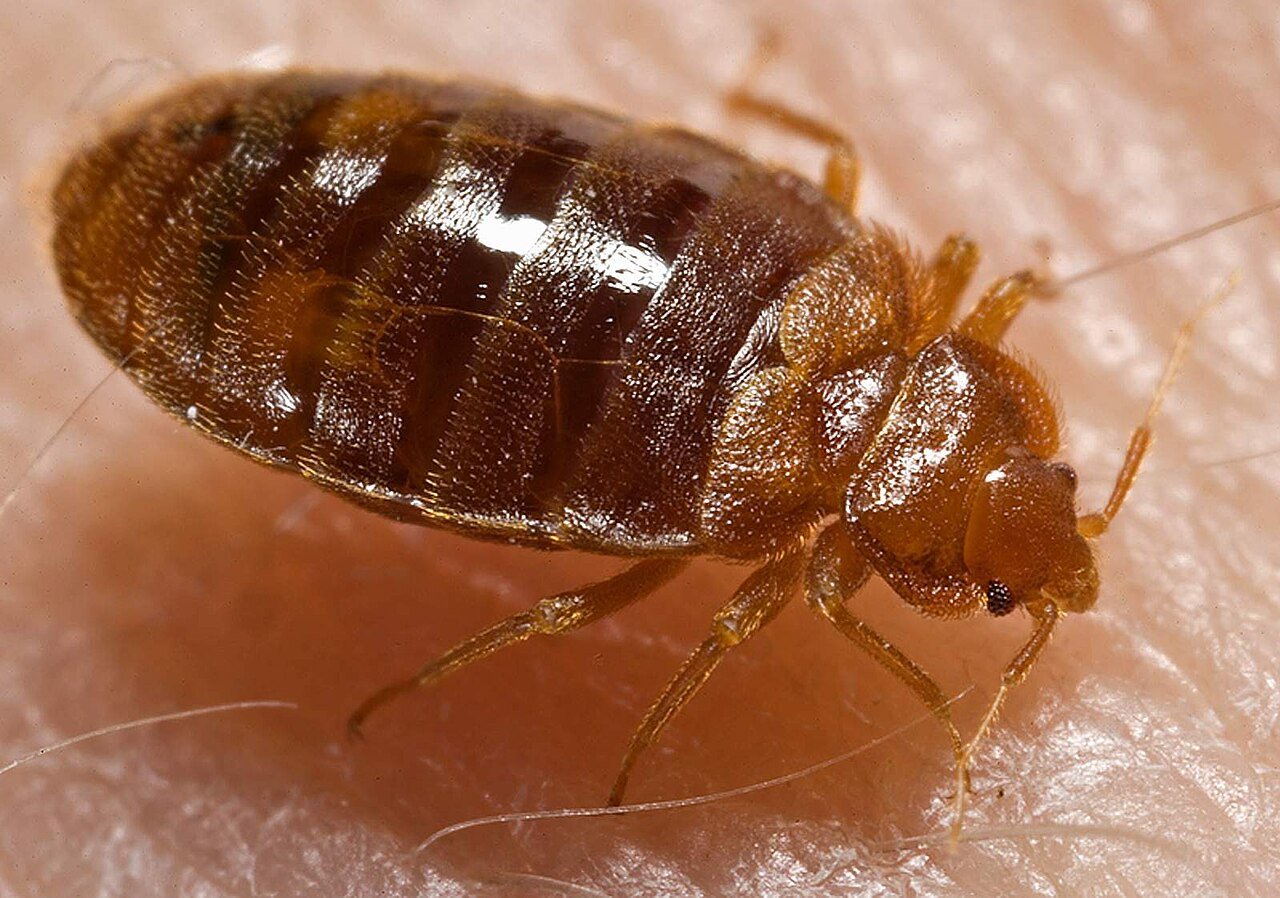
The common bed bug, Cimex lectularius, is a hitchhiker, not a dirtiness problem. It rides luggage, used furniture, and moving boxes into clean homes, apartments, dorms, and rentals all along the Spokane to Coeur d'Alene corridor, then feeds on sleeping people at night and hides by day in mattress seams, box springs, headboards, and baseboard cracks. Adults are about the size of an apple seed, flat, and reddish brown, and they can go months between meals, which is why an empty guest room is no guarantee of a clear room. Bites show up as itchy welts, often in lines or clusters, though reactions vary widely from person to person. Because they spread unit to unit through walls and shared laundry, early detection is the whole battle: a small, contained group is a straightforward job, while a colony left to breed for a year turns into a full building operation.
⚠ Signs of Activity
- Rust-colored fecal spots and blood smears along mattress seams, tags, and piping
- Translucent shed skins and tiny white eggs tucked into headboard joints and box spring corners
- Live flat reddish-brown bugs, apple-seed sized, hiding in seams when the lights come on
- Itchy welts in lines or clusters on skin exposed during sleep
🎯 Our Treatment
We strip the bed down to the frame and inspect every seam and joint, then combine heat or steam with crack-and-crevice residuals, fit mattress encasements, and return for a verification visit to confirm the colony is actually gone.
🛡 Prevention
- Inspect hotel mattress seams and headboards before unpacking on any trip
- Never drag curbside furniture or mattresses inside without a full inspection first
- Cut bedroom clutter so there are fewer harborages near the bed
- Launder travel clothing on hot and run the dryer on high heat after every trip
Also operating in your region.



Seeing bed bugs? Let's end it.
Same-day service available. Free quotes, transparent pricing, 90-day warranty.
