Termites Control
The termite to watch in the Inland Northwest is the western subterranean termite, Reticulitermes hesperus. A WSU extension bulletin names it as one of Washington's two established termite species, alongside the Pacific dampwood termite (Zootermopsis angusticollis), which needs very wet wood and is mostly a west-side and log-home concern. Western subterranean termites live in soil colonies that can number in the hundreds of thousands, sending workers through mud tubes up foundations to feed on structural wood, paper, and anything cellulose. They swarm on warm days in spring and fall, especially after rain, when winged reproductives pour out to start new colonies. Damage stays hidden for years because they eat wood from the inside out, hollowing studs and sills while the paint looks fine. The telltales are unmistakable once you know them: earthen mud tubes on foundations, discarded wings on windowsills, and wood that sounds hollow when tapped.
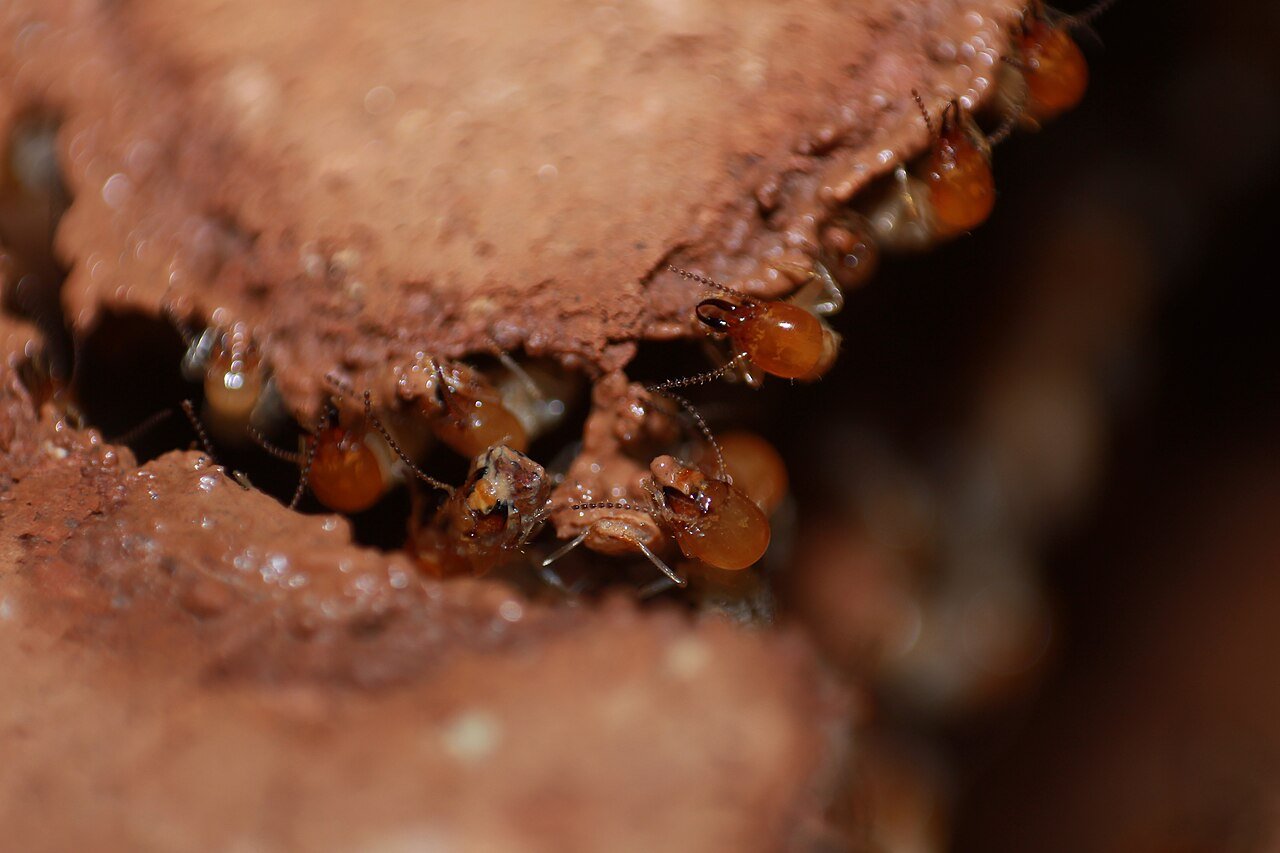
⚠ Signs of Activity
- Pencil-width mud tubes climbing foundation walls, piers, or crawl space posts
- Piles of discarded translucent wings on windowsills after a warm rainy day
- Wood that sounds hollow or papery when tapped, especially sills and framing
- Swarming winged insects pouring from soil or wood in spring or fall
🎯 Our Treatment
We run a full structural inspection to map activity, then treat the soil perimeter or install baiting stations with ongoing monitoring, and flag the moisture conditions that let the colony thrive.
🛡 Prevention
- Eliminate wood-to-soil contact: no siding, steps, or posts buried in grade
- Grade soil and gutters so water drains away from the foundation
- Fix plumbing and roof leaks that keep crawl spaces and sills damp
- Store firewood and scrap lumber off the ground and away from the house
Also operating in your region.



Seeing termites? Let's end it.
Same-day service available. Free quotes, transparent pricing, 90-day warranty.
