Fleas & Ticks Control
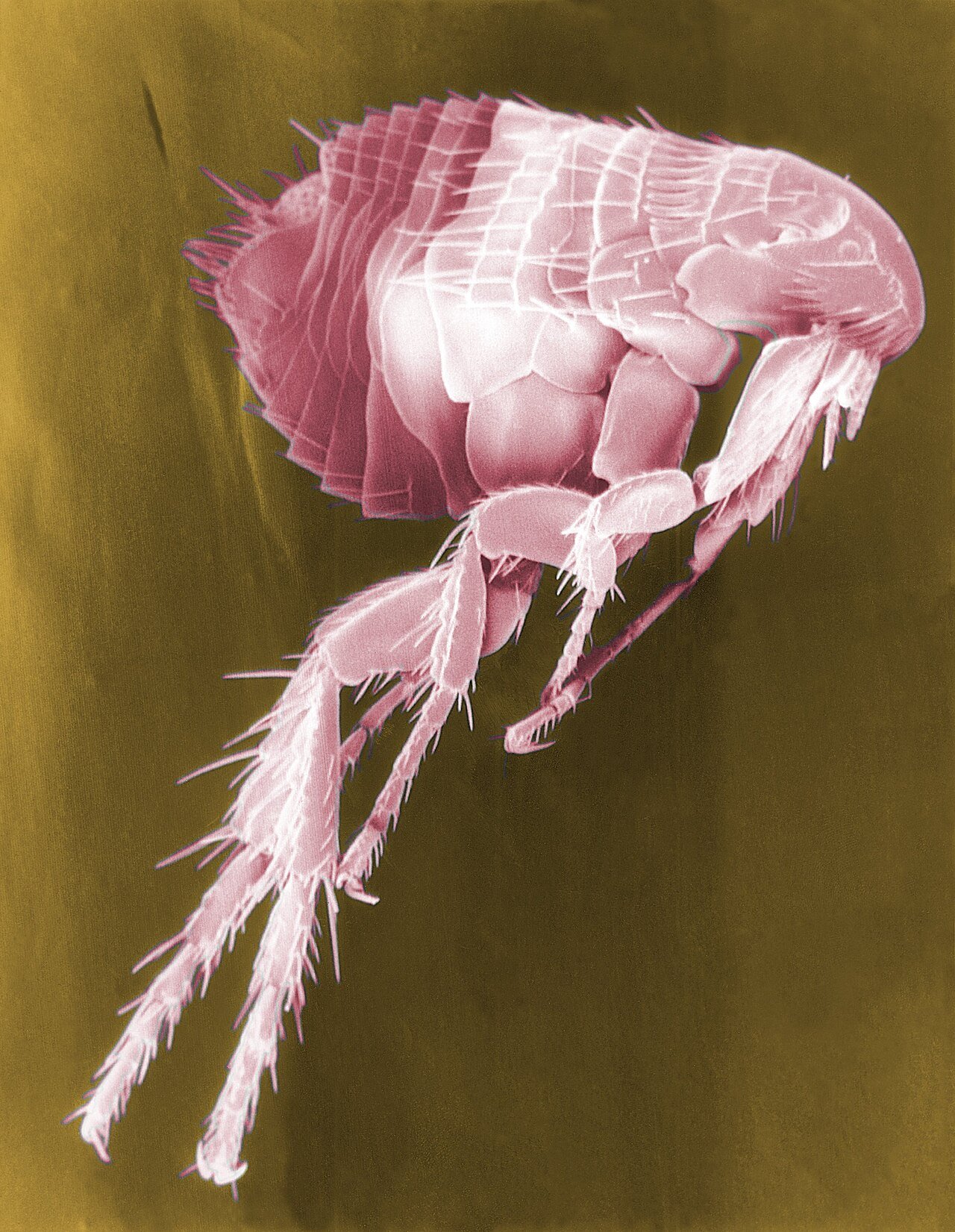
Fleas and ticks hit from two directions. The cat flea, Ctenocephalides felis, is the flea on Inland Northwest dogs and cats, and its pupae are the reason flea jobs fail: pupae can sit dormant in carpet for months, then hatch in waves when vibration and warmth signal a host is near. Adult fleas are only about five percent of the population, so killing what you see barely dents the operation. Ticks are the outdoor half of this page. Washington Department of Health tick data and an Eastern Washington University study of Spokane County name the Rocky Mountain wood tick (Dermacentor andersoni) and the American dog tick (Dermacentor variabilis) as the two common hard ticks here, questing in grass and brush from spring into early summer and latching onto dogs, hikers, and kids. Both can carry Rocky Mountain spotted fever and tularemia, so a tick found attached is worth identifying, not just flicking away.
⚠ Signs of Activity
- Dogs or cats scratching and chewing, with black flea dirt in bedding that bleeds red on damp paper
- Itchy bites clustered around ankles and lower legs after walking on carpet
- Tiny white flea eggs and larvae deep in carpet fibers, pet bedding, and furniture seams
- Ticks attached to dogs or people after hikes, or crawling on clothing coming indoors
🎯 Our Treatment
We treat pet resting areas, carpet edges, and yard harborage with products plus insect growth regulators that break the flea life cycle, cut back tick habitat along fence lines and trails, and coordinate timing with your vet's on-animal flea prevention.
🛡 Prevention
- Wash pet bedding in hot water weekly during flea season
- Vacuum floors, furniture seams, and under cushions often, then empty the canister outside
- Keep grass mowed and clear leaf litter where ticks quest
- Check dogs, kids, and yourself for ticks after time in grass or brush
Also operating in your region.



Seeing fleas & ticks? Let's end it.
Same-day service available. Free quotes, transparent pricing, 90-day warranty.
