Why Spiders Come Inside During Fall
Cooler nights drive spiders indoors. Learn why and how to keep them out.
If your home suddenly has more spiders in September and October, you are not imagining it, and it is not an invasion. It is dating season. In the fall, male spiders leave their webs and hiding spots and wander in search of mates, and some of that wandering leads them through your doors, windows, and foundation cracks. Washington State University entomologists note that of the spiders people bring in for identification each autumn, nine times out of ten it is a male, because males are the ones out roaming.
Cold weather adds a second push. As nights drop toward freezing around Spokane and Coeur d'Alene, outdoor spiders look for somewhere that will not freeze, and they are doing exactly what we do: getting ready for winter. A warm garage, basement, or crawl space fits the bill. Hauling in the first loads of firewood often carries hidden spiders inside with it.
Who is actually showing up
The hobo spider is the region's most famous fall visitor. It is a funnel-web spider, introduced from Europe, that builds flat sheet-like webs with a funnel retreat in the corner, often in basements, window wells, and ground-floor storage areas. Hobo spiders are poor climbers, so you will find them at floor level, not on the ceiling. Males wander through homes and garages in late summer and early fall looking for females.
Despite the scary name and an older nickname, the aggressive house spider, hobos are shy and try to escape when disturbed. Decades-old research once theorized their venom was dangerous, but WSU scientists have never been able to replicate that finding. There is no conclusive evidence the hobo spider is harmful to humans, though like any spider it deserves respect and proper identification if a bite is ever suspected.
You will also see wolf spiders, the big fast hunters that chase down insects instead of building webs, moving inside as the weather cools. Yellow sac spiders leave gardens for indoor shelter in fall as their outdoor food supply disappears. They hunt small insects at night and tuck into silky sacs in room corners by day.
The one spider to actually respect
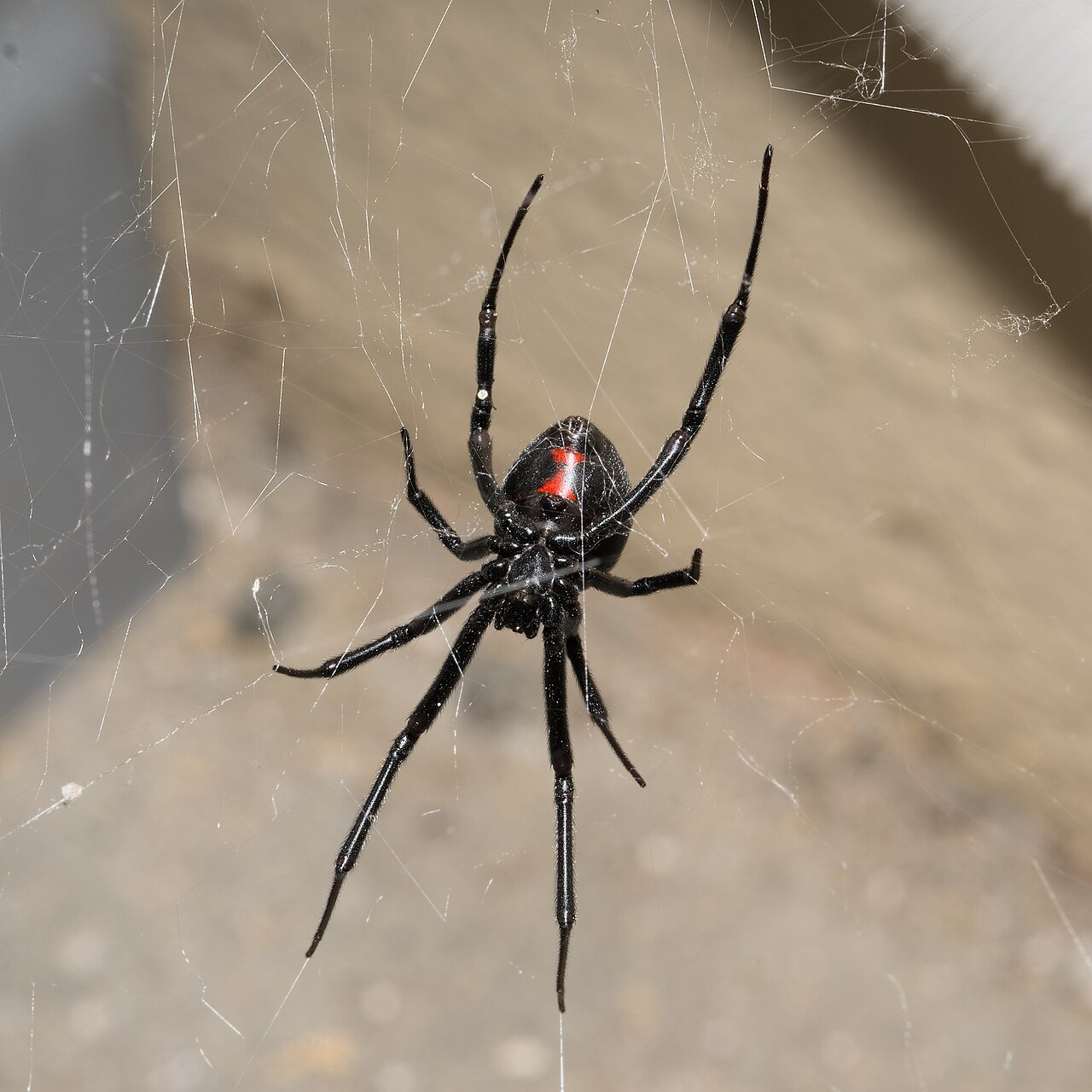
The female black widow is the only medically dangerous spider native to Washington, and it is most common east of the Cascades, which includes our area. Look for the glossy black body with the red hourglass mark underneath. The good news is that black widows are extremely timid and retreat when disturbed. Bites are rare and almost always happen when someone presses one against skin by accident, like reaching bare-handed into a woodpile. Wear leather gloves when moving firewood or clearing clutter, and that risk drops to near zero.
One more myth to retire: the brown recluse does not occur naturally in the Pacific Northwest. Most reported recluse bites here turn out to be something else entirely, often a skin infection. Spiders also cannot be reliably identified by color alone, so if a bite is ever a concern, capture the spider in a jar for proper identification rather than guessing.
Keep them outside where they belong
- Install brush-style door sweeps on exterior doors and keep window screens tight and hole-free.
- Seal cracks and gaps around doors, windows, and the foundation with caulk.
- Knock down webs and remove egg sacs from eaves, corners, and window frames before they hatch.
- Cut back outdoor lighting or switch to yellow bug lights, since lights draw the insects spiders feed on.
- Declutter basements, garages, and storage areas so spiders have fewer dark hiding spots.
- Shake out and inspect firewood outside before carrying it in, and wear gloves while handling it.
Found one inside? A cup and a stiff card will relocate it outdoors without drama. Remember that spiders are free pest control. Every web in your garden all summer was catching flies, moths, and mosquitoes. A few sensible barriers keep the fall wanderers outside while letting them keep working for you out there.
