How to Rodent-Proof Your Home
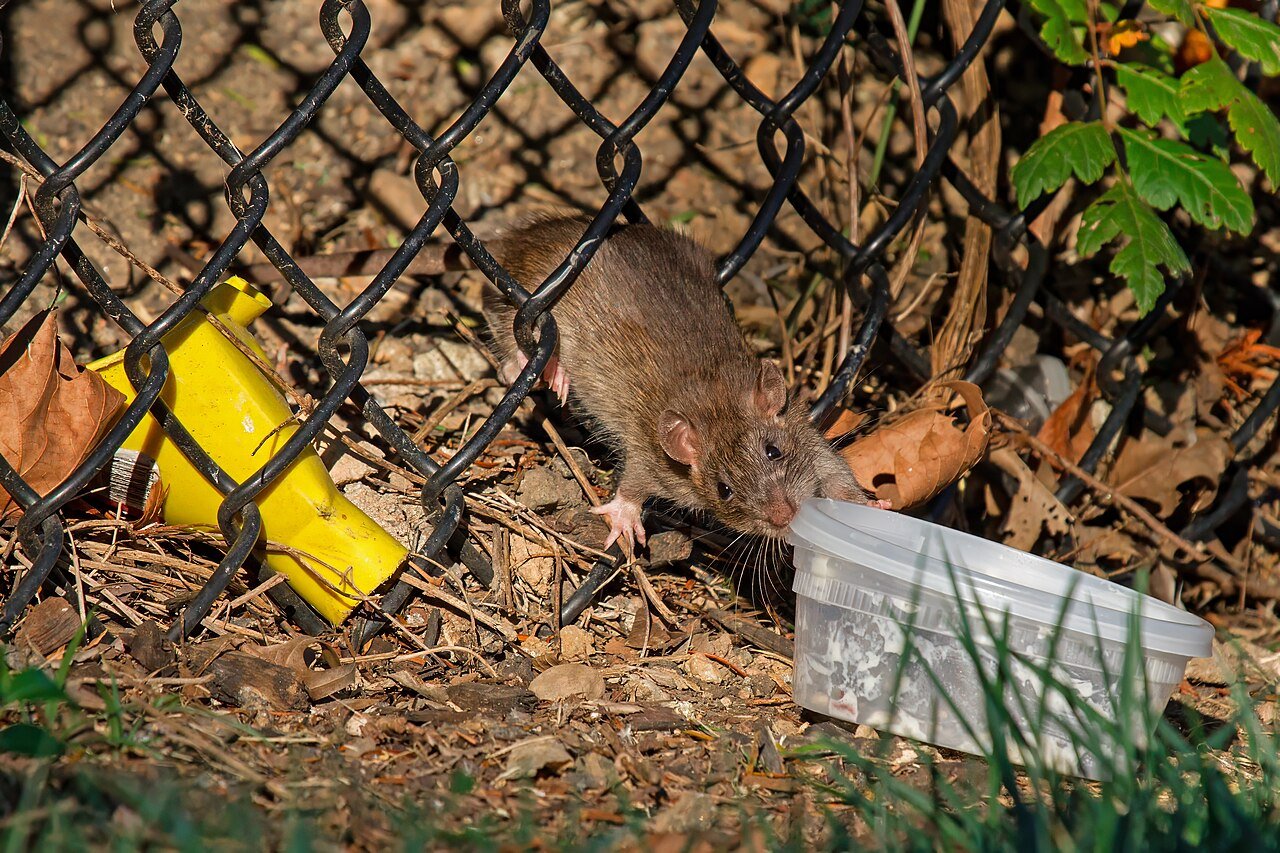
Mice can squeeze through a gap the size of a dime. Here's a complete exclusion walkthrough.
Every October, as the first hard frost settles over the Inland Northwest, rodents start house hunting. The fields around Spokane and Coeur d'Alene go cold and quiet, natural food dries up, and your heated home with its pantry, pet food, and cozy wall voids looks like the best real estate in the county. Mice and rats do not wander in by accident. They follow warmth, food odor, and shelter, and once one finds a way in, the rest of the family follows the scent trail.
Here is the part most people miss: traps and poison only handle the rodents already inside. They do nothing about the gap that let them in. Exclusion, finding and sealing every entry point, is the only permanent fix. Do the exclusion work and the problem stops coming back.
Know what is moving in
Around here you will mostly meet two mice. House mice are the classic indoor invader: small, gray-brown, and happiest living within a short distance of their nest, which is why they rarely travel far from your kitchen or pantry. Deer mice are the outdoors species common around Deer Park, Mead, and the rural edges of Spokane County. They move into garages, sheds, and crawl spaces when the weather turns.
The deer mouse deserves extra respect. The Washington State Department of Health identifies deer mice as the main carriers of the virus that causes hantavirus in people, a rare but potentially fatal respiratory disease. It spreads through dust stirred up from dried droppings and urine, not through bites. So where deer mice have been nesting, never sweep or vacuum dry droppings. Wet the area down with disinfectant first, then wipe it up while wearing gloves and a dust mask.
Speed matters because mice breed at an absurd pace. A University of Missouri Extension specialist notes that house mice can produce 8 to 10 litters a year, with 5 to 6 young per litter. The pair you hear in the wall in October can be a full-blown infestation by January.
Find every gap
A mouse can squeeze through a hole the width of a pencil, about 1/4 inch across, according to the CDC. Rats need only about half an inch. That means the gap around a dryer vent, a worn piece of weatherstripping, or a crack where the foundation meets the siding is a wide-open front door.
Walk the house with a flashlight, inside and out. Check where pipes, cables, and gas lines enter the building. Look at the seam between the foundation and the siding, attic and crawl space vents, the fireplace, and the line where floors meet walls. Inside, check under and behind cabinets and appliances, in closets and their corners, and along the sill plate in the basement or crawl space. Give the garage door seal a hard look too, since it is one of the most common rodent entries and the corners wear out first.
Seal it with materials they cannot chew through
For small holes, pack in steel wool or copper mesh and seal over it with caulk or mortar. For larger openings, use hardware cloth, metal sheeting, or cement. These are the materials the Washington State Department of Health recommends, and the reason is simple: mice and rats gnaw straight through spray foam, plastic, and wood filler to reopen a hole. Seal it right the first time or you will be sealing it again.
Fit brush-style door sweeps on exterior doors, make sure windows and screens close tight, and cap the chimney. Pay special attention to the garage. It is attached to the house, full of clutter to hide in, and its big door seal is usually the weakest link.
Take away the food, water, and cover
A sealed house with an open pantry still invites trouble. Store people food, pet food, bird seed, and garden seed indoors in hard containers with tight-fitting lids. Keep garbage in thick plastic or metal cans with tight lids and clean up spilled waste instead of letting it sit.
Outside, trim shrubs and tree limbs so nothing touches the house, clear junk and debris from around outbuildings, and pick up fallen fruit. Store firewood, lumber, and hay at least 12 inches off the ground and away from the foundation. A woodpile leaning against the house is a rodent hotel with room service.
Trap what is already inside
Seal first, then deal with the current residents, or new ones will just replace the ones you catch. Snap traps set perpendicular to the wall, trigger end facing the baseboard, work well in the spots where you have seen droppings. Use several, and bait with a dab of peanut butter, which beats cheese. Check them daily.
If you keep catching mice week after week, you missed an entry point. Go back to the gap hunt. And if crawling under the house with a caulk gun in November does not appeal to you, a professional exclusion visit covers the whole checklist in one trip.
